
Food Flavorings: The Foundation of Taste in the Modern Food Industry
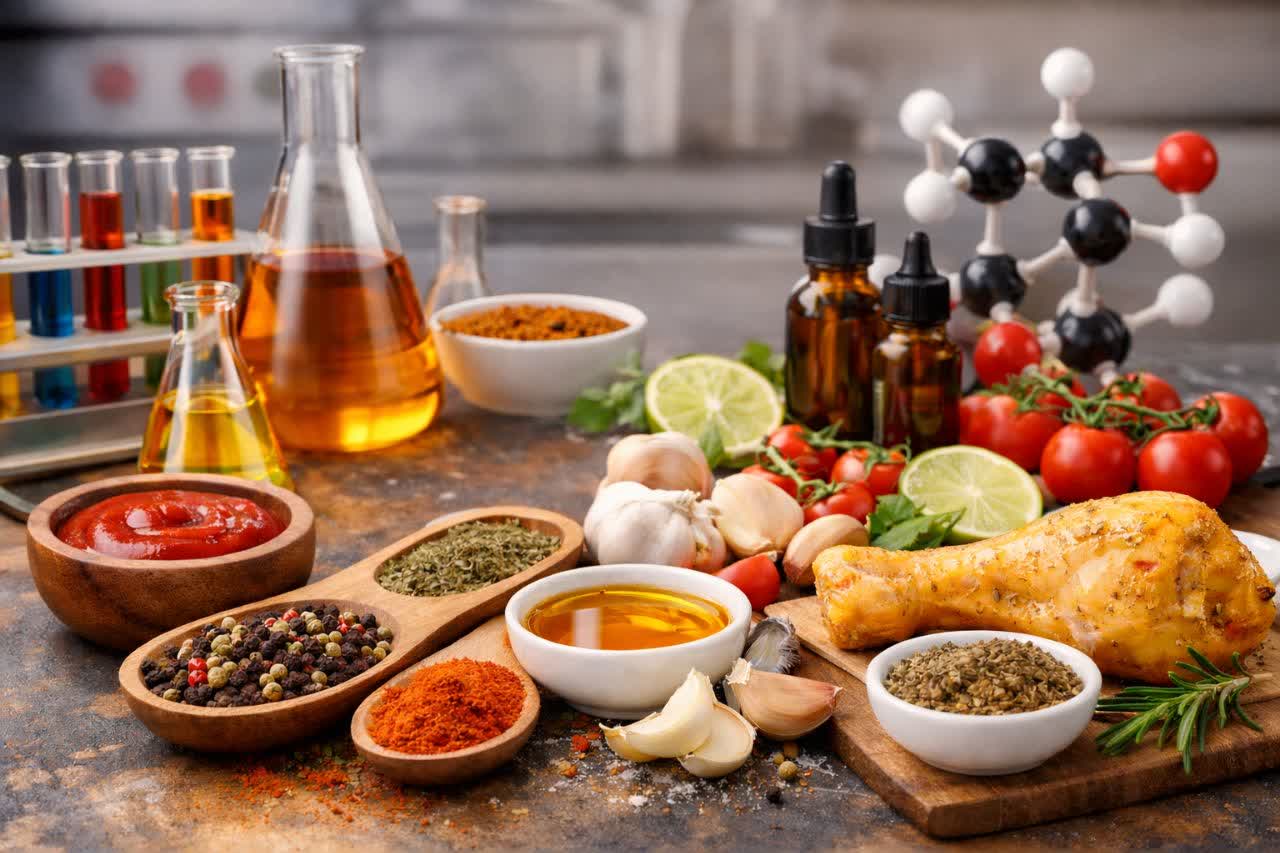
Food flavorings are essential components of modern food formulation. This article explores types of flavorings, their industrial applications, and their role in product differentiation within the food industry.
Food Flavorings: The Foundation of Taste in the Modern Food Industry
Flavor is one of the most decisive factors in consumer food choices. Beyond nutrition and appearance, taste determines product acceptance, brand loyalty, and market success. In the modern food industry, food flavorings play a critical role in creating consistent, scalable, and recognizable taste profiles across a wide range of products.
What Are Food Flavorings?
Food flavorings are substances added to food products to enhance, modify, or standardize taste and aroma. Unlike traditional spices used in home cooking, industrial flavorings are designed for stability, repeatability, and compatibility with large-scale food processing systems.
Flavorings may influence:
Aroma perception
Taste intensity
Aftertaste and mouthfeel
Overall sensory balance
Main Types of Food Flavorings
Natural Flavorings
Derived from plant, animal, or microbial sources such as herbs, spices, fruits, and fermentation extracts. These are often used in premium or clean-label products.
Nature-Identical Flavorings
Chemically synthesized but structurally identical to natural flavor compounds. They offer consistency and cost efficiency while maintaining familiar taste profiles.
Artificial Flavorings
Fully synthetic compounds developed to replicate or create flavors not easily achievable through natural sources. Common in mass-produced foods requiring long shelf life.
Functional Roles of Flavorings in Food Manufacturing
Taste Standardization
Flavorings ensure that products taste the same across different production batches, factories, and markets.
Cost Optimization
They reduce dependency on seasonal or expensive raw ingredients while maintaining flavor consistency.
Product Innovation
Flavorings enable manufacturers to rapidly develop new products and respond to changing consumer trends.
Sensory Masking
Unpleasant tastes from functional ingredients (proteins, vitamins, additives) can be masked using advanced flavor systems.
Flavorings vs Spices and Marinades
While spices and marinades are traditional flavoring tools, industrial food flavorings differ in several ways:
Higher concentration and precision
Designed for processing conditions (heat, freezing, shelf life)
Integrated into formulation systems rather than surface application
Often used in sauces, snacks, beverages, dairy, and processed meats
The Role of Food Flavorings in B2B Markets
In B2B food production, flavorings are strategic assets. Manufacturers rely on them to:
Build brand-specific taste identities
Scale production without sensory variation
Adapt products for regional and international markets
As competition intensifies, flavor innovation becomes a key differentiator in the food value chain.
for reading the pillar aricle of this subjec read: Spices in the Food Industry – The Core of Flavor and Value Creation
Future Trends in Food Flavorings
Clean Label Development
Reducing artificial components while maintaining flavor impact.
AI-Assisted Flavor Design
Using data and sensory modeling to predict consumer preferences.
Regional and Ethnic Flavor Profiles
Growing demand for localized tastes tailored to specific markets.
Conclusion
Food flavorings are no longer optional additives; they are foundational elements of modern food formulation. From product consistency to innovation and market expansion, flavorings shape how food products are perceived, accepted, and remembered by consumers.
Advertising & Collaboration
We are genuinely interested in the food industry and actively collaborate with manufacturers, importers, and suppliers of sauces, seasonings, spices, and food flavorings.
For advertising opportunities and promotional collaboration on this website, please contact:
📞 989127464562
📞 989394489144