
Sauces – A Strategic Component in the Modern Food Industry
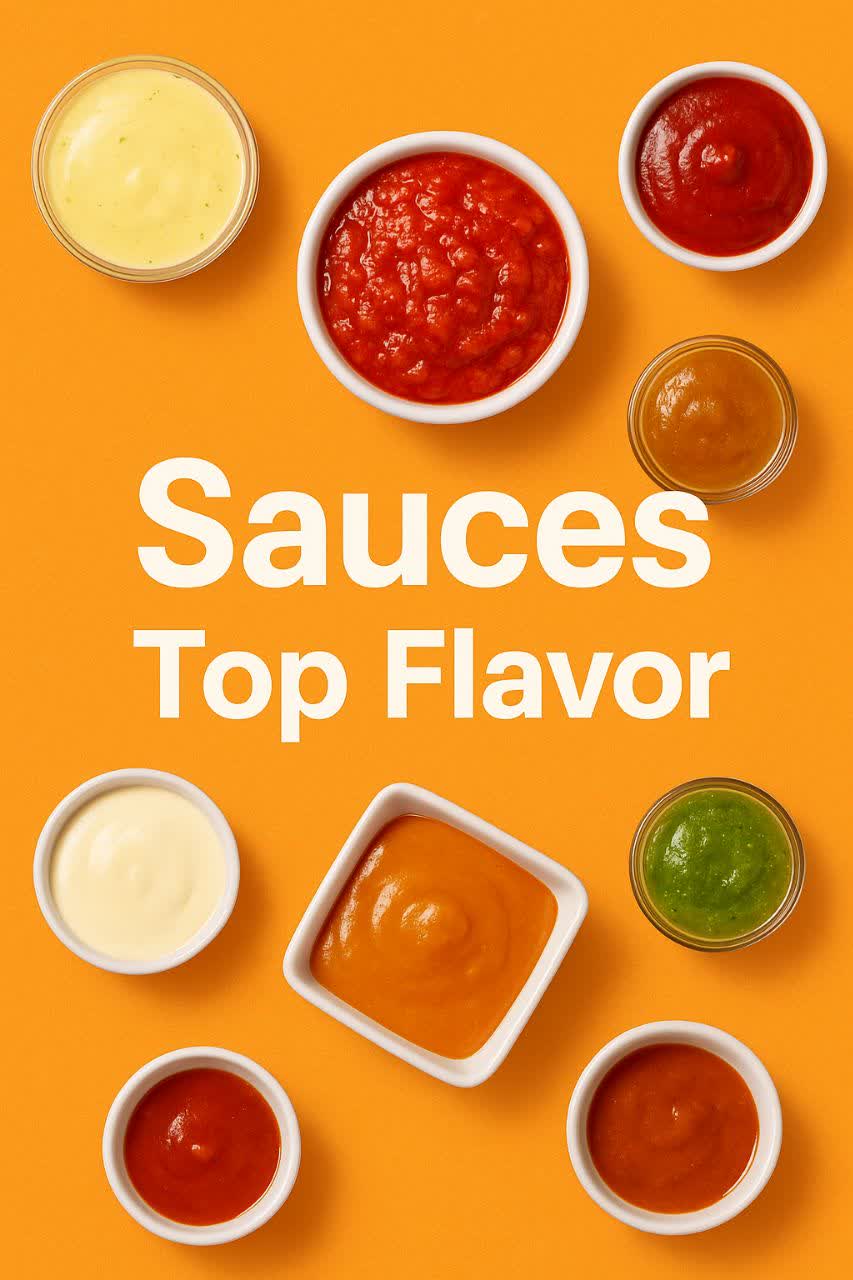
Industrial food sauces play a critical role in modern food production. This article explores types of sauces, their applications, formulation principles, and opportunities for food manufacturers and advertisers in the sauce industry.
Sauces – A Strategic Component in the Modern Food Industry
Sauces are no longer just flavor enhancers; they have become a strategic component in the global food industry. From industrial food manufacturing to restaurant chains and retail brands, sauces define taste profiles, brand identity, and consumer loyalty. In today’s competitive food market, sauces are essential tools for differentiation, innovation, and scalability.
This article provides a structured and professional overview of food sauces, their classifications, industrial applications, and why they represent a major opportunity for producers, importers, and advertisers.

What Are Food Sauces
Food sauces are liquid, semi-liquid, or emulsified products designed to enhance flavor, texture, aroma, and visual appeal of food. They can be used before cooking, during processing, or as a final topping.
From a technical perspective, sauces often combine:
Water or oil bases
Acids (vinegar, citrus, fermented components)
Sweeteners or salts
Spices, herbs, or flavor compounds
Stabilizers and emulsifiers in industrial formulations
Main Categories of Sauces
Emulsified Sauces
These sauces rely on stable emulsions of oil and water.
Examples include:
Mayonnaise
Aioli
Cream-based dressings
They are widely used in sandwiches, ready meals, and fast-food products.
Tomato-Based Sauces
Tomato sauces are among the most consumed globally.
Key applications:
Pasta and pizza products
Ready-to-eat meals
Canned and bottled foods
Their popularity comes from versatility, cost efficiency, and consumer familiarity.
Fermented and Asian Sauces
These sauces provide deep umami flavors.
Examples:
Soy sauce
Fish sauce
Oyster sauce
They are essential in Asian cuisine and increasingly adopted in fusion and industrial food formulations.
Spicy and Chili Sauces
Spicy sauces have seen massive growth due to changing consumer preferences.
Characteristics:
High flavor impact
Cultural diversity
Strong brand identity potential
They are often used as signature products by food brands.
The pillar article of this post is: Spices in the Food Industry – The Core of Flavor and Value Creation
Industrial Applications of Sauces
Sauces in Food Manufacturing
In industrial environments, sauces are used to:
Standardize flavor across batches
Reduce preparation time
Enhance shelf life
Improve visual consistency
Manufacturers rely on precise formulations and quality control to maintain performance.
Sauces in Foodservice and Restaurants
Restaurants use sauces to:
Create signature dishes
Customize menus efficiently
Reduce kitchen complexity
This makes sauces a critical operational asset.
Formulation and Quality Considerations
Stability and Shelf Life
Industrial sauces must maintain:
Microbial safety
Texture stability
Color and flavor consistency
This requires proper processing, packaging, and ingredient selection.
Clean Label and Consumer Trends
Modern consumers demand:
Fewer artificial additives
Transparent ingredient lists
Authentic flavors
Sauce producers increasingly reformulate products to meet these expectations.
Why Sauces Are a High-Value Market Segment
The global sauce market continues to grow due to:
Urban lifestyles
Ready-to-eat food demand
Globalization of cuisines
For manufacturers, importers, and distributors, sauces offer:
High repeat consumption
Brand differentiation opportunities
Strong margins in niche segments
Advertising and Branding Opportunities in the Sauce Industry
Sauces are ideal for targeted B2B advertising because:
Producers constantly seek visibility
Buyers search for reliable suppliers
Product differentiation depends on awareness
Industry-focused platforms like Chashnico create a direct bridge between food businesses and their target audiences.
The Role of Specialized Food Platforms
Digital platforms dedicated to food ingredients and products allow:
Manufacturers to showcase products
Importers to reach new markets
Advertisers to connect with decision-makers
This ecosystem benefits the entire food value chain.
Conclusion
Sauces are far more than complementary food items. They are strategic tools in product development, branding, and consumer engagement. As food markets become more competitive, sauces will continue to play a central role in innovation and commercial success.
For companies operating in the sauce sector, visibility, credibility, and targeted promotion are essential—and specialized platforms provide exactly that.
advertising partnrship in the food industry
We are deeply interested in the food industry and actively support manufacturers, importers, and suppliers of sauces, seasonings, spices, and flavoring solutions.
📢 If you are looking to advertise your products or promote your brand within the food industry, contact us today:
📞 989127464562
📞 989394489144
Let’s build visibility and growth together.