
Spices –The Core of Flavor in the Modern Food Industry
Spices – The Core of Flavor in the Modern Food Industry
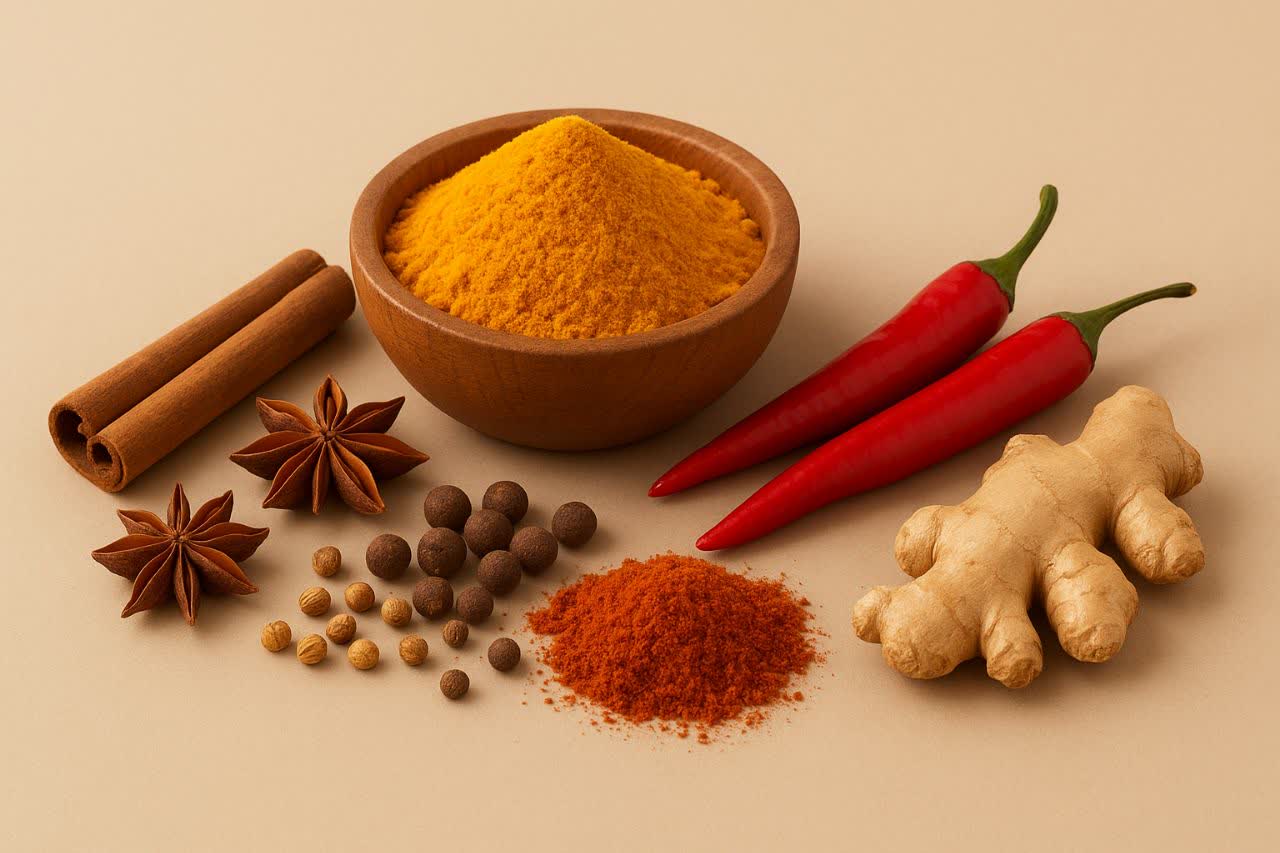
Spices play a fundamental role in shaping taste, aroma, and identity in the global food industry. From traditional cuisines to large-scale industrial food production, spices are no longer simple ingredients; they are strategic tools for brand differentiation, product consistency, and consumer experience
In this article, we explore the importance of spices, their industrial applications, classifications, and future trends in the food sector.
What Are Spices and Why Are They Essential in Food Production?
Spices are dried plant-based ingredients derived from seeds, bark, roots, fruits, or flowers. Their value lies in their concentrated flavor compounds and functional properties.
Key Reasons Spices Are Widely Used in the Food Industry
Flavor and Aroma Enhancement
Spices define the character of food products. Even small variations in spice formulation can significantly alter the final taste profile.
Natural Preservation Properties
Many spices contain antimicrobial and antioxidant compounds that help extend shelf life naturally.
Brand Identity and Product Signature
Food manufacturers often rely on proprietary spice blends to create unique and recognizable flavors.
Classification of Spices in the Food Industry
Single-Ingredient Spices
Commonly used industrial spices include:
Turmeric
Black pepper
Chili pepper
Paprika
Cinnamon
Ginger
Cardamom
Nutmeg
Cloves
Cumin
These spices are used individually or as components of complex formulations.
Blended and Compound Spices
Spice blends are carefully formulated mixtures designed for specific applications, such as:
Chicken seasoning blends
Meat and kebab spice mixes
Fish seasoning
Curry blends
Yogurt seasoning blends
These blends are widely used by restaurants, catering services, and food manufacturers to ensure flavor consistency.
Industrial Applications of Spices
Protein Processing Industry
In meat and poultry processing, spices contribute to flavor development, color enhancement, and sensory appeal. They are essential in sausages, processed meats, marinated products, and ready-to-cook foods.
Snack and Convenience Food Industry
Snack foods such as chips, extruded snacks, and flavored nuts rely heavily on spice blends. Popular profiles include barbecue, cheese, spicy chili, sour cream, and vegetable-based seasonings.
Foodservice and Restaurants
Restaurants and foodservice operators use standardized spice blends to maintain consistent taste across multiple locations and batches.
The Future of Spices in the Global Food Market
Demand for Natural and Clean-Label Spices
Consumers increasingly prefer products with clean labels, driving demand for natural spice blends without artificial additives.
AI and Technology in Spice Formulation
Advanced food technologies and artificial intelligence are now being used to optimize spice blends based on consumer preferences and sensory data.
Growth of Ready-to-Use Spice Blends
Time efficiency and quality consistency are fueling rapid growth in the market for ready-made seasoning blends.
The pillar post of this article is : Spices in the Food Industry – The Core of Flavor and Value Creation
Conclusion – Why Spices Remain the Backbone of Food Flavor
Spices are not merely flavor enhancers; they are strategic components that influence product quality, shelf life, and brand perception. For manufacturers, importers, and food professionals, understanding spice applications is essential to remaining competitive in the modern food industry.
Advertising Opportunity on Chashnico.com
If you are a spice manufacturer, importer, or supplier, Chashnico offers a focused platform to promote your brand within the food industry.
For advertising and partnership inquiries:
989127464562+📞
989394489144+📞
Chashnico — A specialized food industry platform for flavor, ingredients, and brand visibility.